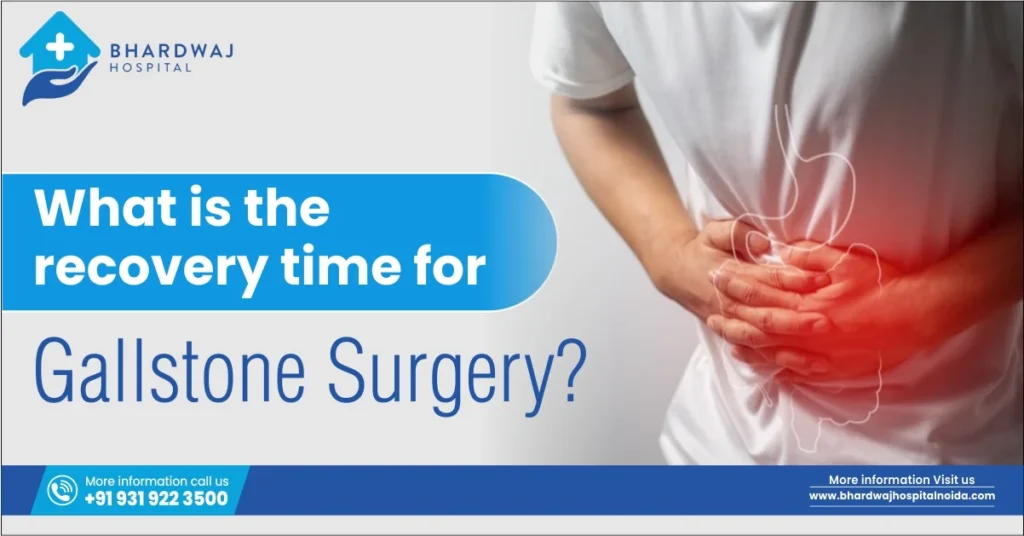
Experiencing complications related to your gall bladder, especially gallstones, can be uncomfortable and impact people’s quality of life. The decision to undergo gallstone surgery is often a necessary step to alleviate chronic pain and prevent life-threatening complications.
While the prospect of immediate relief is welcome, the question that inevitably follows for every patient is: “How long will it take for me to recover and get back to my normal life fully?”
If you are stuck in a similar predicament, this detailed guide from Bhardwaj Hospital will explore details about recovery time for gallstone surgery.
What Constitutes the Basics of Gallstone Surgery?
So, what does a gallstone surgery involve? Also known as cholecystectomy, gallstone surgery is a procedure that consists of the removal of the gall bladder to get rid of the excessively formed gallstones inside the organ.
Usually, gallstones form when the substances in bile, such as cholesterol, harden and block the ducts, leading to pain, nausea, and digestive issues.
Now, coming to the types of gallstone surgeries, there are primarily two:
1. Laparoscopic Cholecystectomy
This is a minimally invasive surgery, which is performed using a few small incisions. For this surgery, the surgeon uses a laparoscope to remove the gallbladder. Due to its minimally invasive nature, it leaves behind fewer scars, ensures minimal pain and faster healing as well.
2. Open Cholecystectomy
As the name suggests, open cholecystectomy is the traditional surgical approach, which involves making a larger incision in the abdomen. This particular approach is usually recommended to patients with complications such as severe inflammation, infection or scarring.
The kind of surgery you undergo for getting rid of your gallbladder stones is the primary determinant behind the recovery time and post-operative experience.
What is the Average Recovery Time After Gallstone Surgery?
When it comes to undergoing a cholecystectomy or gallstone surgery, the first thought that crosses people’s minds is regarding the average recovery time.
As previously discussed, recovery time is heavily reliant on the type of surgery you are undergoing. Here’s what an average recovery timeline looks like:-
- For patients undergoing laparoscopic surgery, they can return home the same day or within 24 hours. The complete recovery after the surgery typically takes one to two weeks, although light activities can usually be resumed within a few days.
- For patients undergoing open cholecystectomy, recovery is longer due to the larger incision and tissue healing. You might be required to stay in the hospital for 3-5 days after the surgery, and full recovery might need 6-8 weeks.
However, these are general estimates, and every patient’s recovery experience is subjective. Our surgeons at Bhardwaj Hospital provide you with personalised guidance based on your condition and healing rate to ensure optimal recovery.
What Can You Expect During the First 24 Hours after Gallstone Surgery?
The moment your surgery is done, you will be taken out of the operating theatre into a recovery room, where you will be kept until your anaesthesia wears off. During this period, your vital signs are closely monitored, too. Some of the everyday experiences 24 hours after the surgery are:-
- You may feel drowsy or nauseated for a few hours after the anaesthesia wears off.
- It is common to experience mild to moderate pain, especially around the incision site or around the shoulder area. These will be managed with medication.
- Next, with fluid intake, you’ll start with sips of water and gradually move to light fluids once you feel comfortable.
- If there are no post-surgical complications, you might be discharged the day after if you have had laparoscopic surgery or in 3-5 days if you have had an open surgery.
At Bhardwaj Hospital, the surgical and nursing teams provide thorough instructions and ensure your comfort before discharge, with a clear recovery plan tailored to your needs.
What to Expect During the First Week after Gallstone Surgery?
The first week after your gallstone surgery is quite critical to your recovery. It is during this period that your body starts to heal and recover, and the incision starts to close.
1. How to manage pain and discomfort?
During the recovery period, one week post-surgery, a common question most patients have is regarding the pain and discomfort. The pain will gradually start decreasing within a few days, but you might experience:-
- Mild abdominal soreness
- Shoulder pain due to residual gas
- Fatigue or weakness
You will be prescribed pain relievers and anti-inflammatory medications by our surgeons, and you will also be informed about follow-up consultations to monitor your healing and recovery.
2. How should the diet progression be like?
Your digestive system needs time to adjust after gallbladder removal. So, you will be recommended to be on a specific diet including easily digestible foods such as soups, boiled vegetables, rice, and fruits to ensure that the food you are eating isn’t too harsh on your digestive organs.
Also, during your healing period (and until suggested by your surgeon), you’d need to avoid fatty, spicy, and greasy foods.
3. How about physical activity?
It’s essential to rest, but gentle movement like short walks helps prevent blood clots and boosts circulation. You also need to avoid heavy lifting or strenuous activities until cleared by your surgeon. The last thing you want is to hurt yourself unintentionally by putting excess physical strain on your body.
How Does Long-Term Recovery Look Like after Gallbladder Removal?
By week six, most patients have fully recovered. However, some may experience mild digestive changes, especially after eating fatty foods.
So, what kind of changes to your lifestyle do you need to make to ensure optimal long-term recovery after getting rid of your gallbladder?
Here’s what you need to know:
1. Dietary adjustments for the long-term
Since bile flows continuously into the intestine after gallbladder removal, small dietary changes help maintain digestive balance:-
- Eat smaller, frequent meals.
- Limit fried or oily foods.
- Incorporate fibre-rich foods like whole grains and vegetables.
- Stay hydrated throughout the day.
Initially, making such a switch to your diet can be difficult, but they do become easier, and patients adapt well over time.
2. Physical fitness and lifestyle
Beyond your diet and nutritional needs, even physical fitness is vital after gallbladder removal surgery. Once your doctor approves, resume exercise gradually. When you lead an active lifestyle, it helps you maintain weight and also promotes healthy digestion.
3. Follow-up appointments
One of the most important aspects of long-term recovery after gallstone surgery is going for the follow-up appointments as recommended by the surgeon. During your routine check-ups, your surgeon will monitor your internal healing and look for anything amiss.
With our surgeons at Bhardwaj Hospital, the post-operative care team schedules follow-ups to assess recovery progress and address any lingering issues.
Your Recovery Journey Matters!
Gallstone surgery is a highly effective and safe solution for eliminating the pain and risks associated with gallstones. While recovery time varies depending on the type of surgery and individual health factors, most patients return to everyday life within a few weeks.
The most effective way to ensure a fast, safe, and complete recovery is to choose a hospital with specialised expertise in minimal-access surgery and comprehensive post-operative care. This is where Bhardwaj Hospital comes into the picture.
Please schedule your appointment and learn how our personalised treatments can provide you with optimal outcomes.













 Message us on Whatsapp
 Call us 93192 23500
 info@bhardwajhospitalnoida.com
 Locate us on Google Maps
 Book Appointment