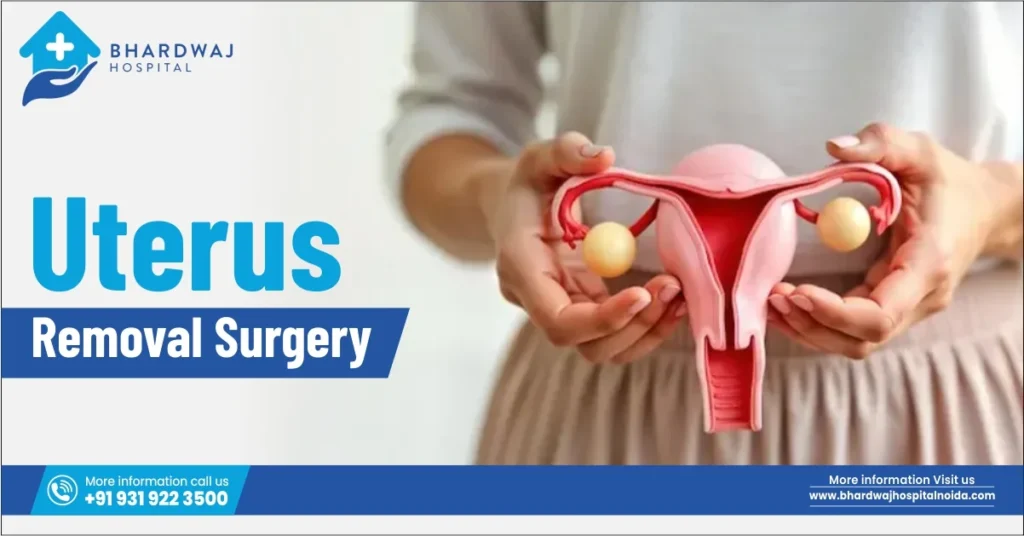
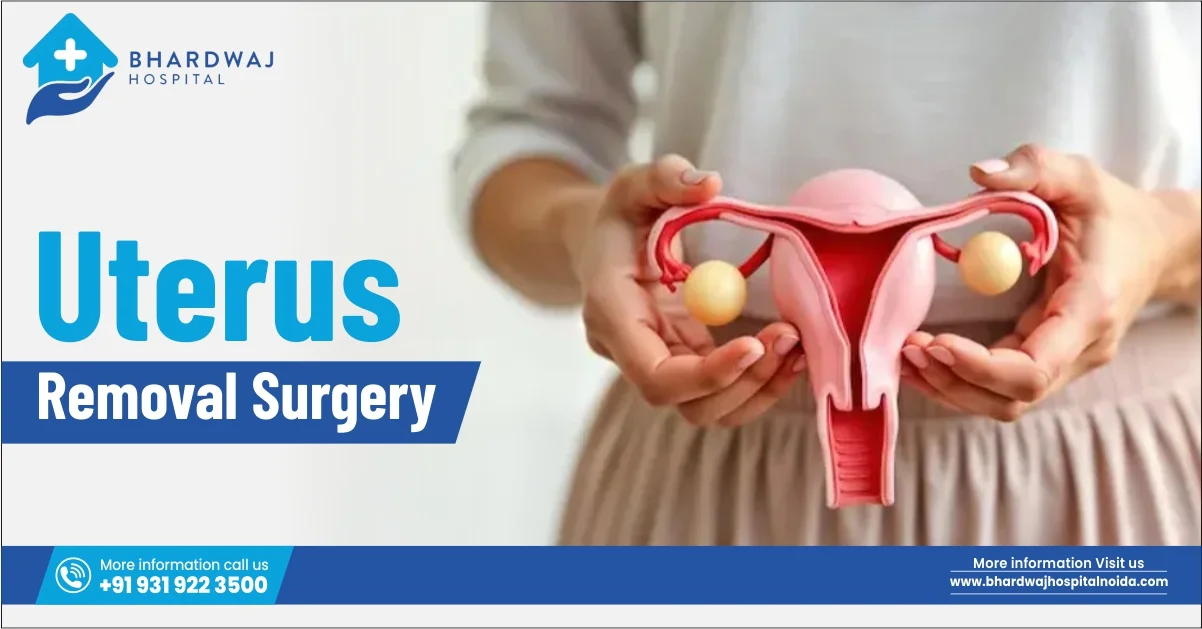
Hysterectomy or uterus removal surgery is a gynecological surgery, which is normally done to deliver a solution to conditions affecting the uterus and that disrupt the normal way of life. Surgery is mostly decided upon after due consideration in case the symptoms continue to occur despite the medical therapy.
Knowing the reasons, the surgery procedure, and the recovery procedure will get you ready both physically and psychologically. Noida is one of the areas where a lot of women consult the Best Gynecologist at Bhardwaj Hospital to obtain a fixed diagnosis, treatment plan, and safe medical surgery.
Causes of Uterus Removal Surgery
The operation of removing the uterus is prescribed only following a thorough clinical examination. The condition is significant in determining whether surgery should be performed and what type of surgery to perform.
- Uterine Fibroids and Abnormal Bleeding
Uterine fibroids are benign growths that are likely to lead to excessive menstrual bleeding, pain, and pressure symptoms around the pelvis. Surgery is believed to be a long-term remedy for excess bleeding or anemia. At Bhardwaj Hospital in Noida, imaging and diagnostic tests are conducted to assess fibroid cases and determine the best surgical intervention.
- Endometriosis and Adenomyosis
Endometriosis and adenomyosis are associated with excessive development of soft uterine tissue, causing extreme pain and excessive bleeding. Unresponsive symptoms (not responded to medication or hormonal treatment) may suggest that surgery for uterus removal is recommended for benevolent living.
- Uterine Prolapse
Uterine prolapse is one of those conditions emerging due to the increased weakness of the muscles of the pelvic floor, in a manner that the uterus moves along the vaginal canal. The effects of such conditions may include discomfort, urinary problems, and difficulties in doing daily tasks. Surgical repair helps in restoring the pelvis and alleviating the symptoms.
- Gynecological Cancers
In cases of cancer in the cervix, uterus, and ovaries, the cervix will require surgical intervention, or the ovary will likely need surgical intervention. The uterus can be removed as a measure to treat the disease and promote the person’s health in the long run.
- Chronic Pelvic Pain and Other Medical Interventions
Long-term aching in the pelvis is a condition associated with conditions of the uterus, and it might need surgery after exhaustion of conservative treatment. Assessing the Best Gynecologist in Noida can help determine whether uterine removal surgery is the right treatment.
Types of Uterus Removal Surgery
The nature of surgery will be based on the health, uterine size, and medical condition. Your doctor reviews reports, symptoms, and plans, then selects an approach aligned with safety, recovery time, and clinical suitability.
- Abdominal Hysterectomy
The process involves a hysterectomy operation through an incision in the abdomen. It is also mainly used where the uterus is enlarged or where additional pelvic examination is required. This has the benefit of giving direct visual access to the organs of the pelvis, will also facilitate the careful examination, and is the best fit in procedures that need to be exposed more comprehensively to allow safe removal and proper evaluation of surgery.
- Vaginal Hysterectomy
The vaginal route opens the possibility to remove the uterus and leave no external incision. The treatment method can tend to enhance quicker healing and less pain after surgery. Guided postoperative monitoring with effective pain control and periodic follow-up visits makes patients spend less time in the hospital, be up sooner, have less wound care, and resume normal activities less hurriedly.
- Laparoscopic Hysterectomy
Laparoscopic hysterectomy incorporates a camera and small incisions to extract the uterus. It entails reduced pain, hospitalization, and faster recovery. You benefit from minimal scarring, quicker mobility, earlier discharge, and improved comfort during daily movements after surgery with guided care.
- Tubectomy
Tubectomy refers to a lasting procedure of sterilizing females to avoid pregnancy. The operation is performed to block or cut the fallopian tubes to ensure no eggs get in contact with sperm. It is an operation that is performed without any risk to the health of a female who has had her family.
Surgical Process of Uterus Removal
Knowing the surgical procedure helps you understand what will happen before and during surgery.
- Pre Surgery Evaluation and Diagnostic Tests
Before an operation, a blood test, imaging research, and a physical examination are carried out to verify the diagnosis and evaluate the patient’s well-being. Bhardwaj Hospital, Noida, has a methodized preoperative assessment procedure to provide safety and operative preparedness in patients.
- Anesthesia and Surgical Steps
Uterus removal surgical operation involves surgery under general anesthesia. The operation is based on the choice of technique. Careful attention is paid to reduce blood loss and avoid damage to organs near the operative site.
- Duration of Surgery and Hospital Stay
Surgery takes one to three hours. Hospitalization is based on operating methods and personal recovery rates.
Recovery Guidelines After Uterus Removal Surgery
It is crucial to adhere to the regulations of the recovery process to heal well and avoid complications.
- Immediate Post Surgery Care and Pain Management
Through prescribing drugs, pain is managed. Close attention to vital signs is followed, and early mobility is promoted to enhance circulation.
- Activity Restriction and Gradual Mobility
Activities involving heavy lifting and heavy work are limited for a few weeks. Walking is made a favored practice to provide healing and ease.
- Diet, Hydration, and Bowel Care
Both nutritious meals and increased hydration and fiber intake contribute to the process of helping digestion and avoiding constipation following surgery.
- Wound Care and Infection Prevention
Correct wound treatment reduces the chances of infection. Among the symptoms patients should watch for are redness, swelling, and fever.
- Follow-Up Schedule and Recovery
Monitoring follow up visit also aids in the evaluation of healing and resolving the issue in the recovery process.
Conclusion
Hysterectomy is a good option to treat various gynecological conditions that could not be treated using other alternative methods. This can help you make good choices about your health by providing knowledge of the causes, available surgeries, and the recovery process. Bhardwaj Hospital can and should provide a full scope of management of women subjected to the uterus removal operation and ensure their safe well-being in the long term with an evaluated and structured evaluation and overall care.














 Message us on Whatsapp
 Call us 9319223500
 info@bhardwajhospitalnoida.com
 Locate us on Google Maps
 Book Appointment