
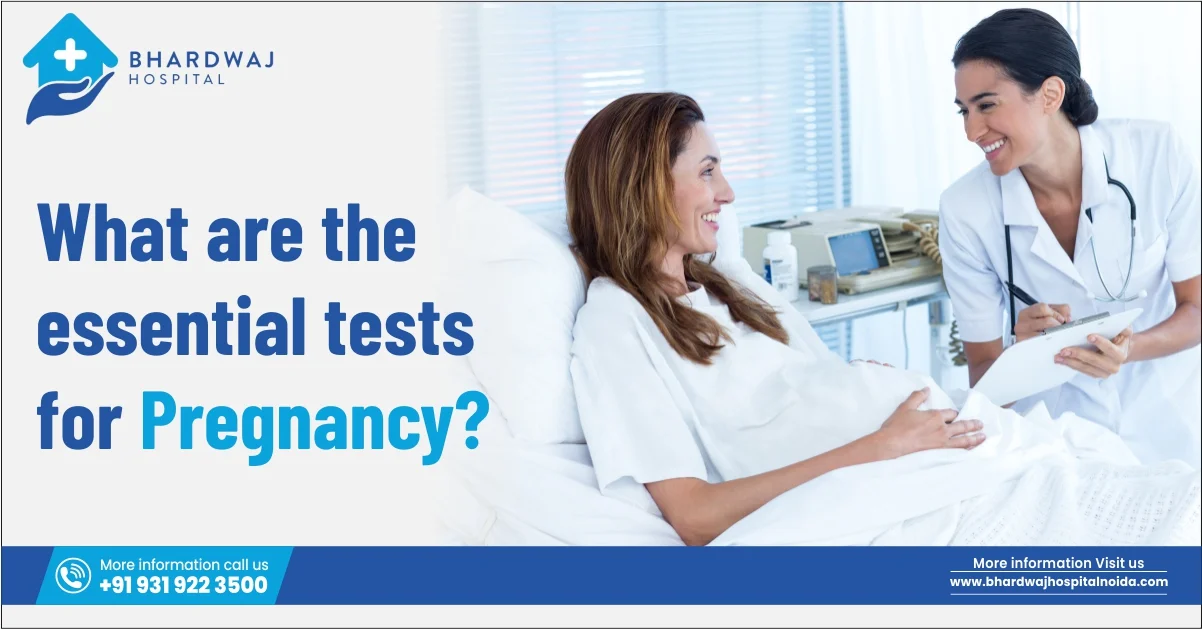
The changes during pregnancy are internal, and slight spotting is observed by some women at various stages. Light bleeding in pregnancy would usually resolve on its own and may not necessarily be an indicator of a problem. Remain composed if you see a small amount of blood and contact your gynecologist to give you a helping hand. Stress might lead to complications in your pregnancy, and thus it needs to be minimized; early diagnostic assessments safeguard your comfort level and confidence. At Bhardwaj Hospital in Noida, our gynecologists provide routine antenatal check-ups to keep you informed and on track at every stage of your pregnancy journey.
Is Bleeding During Pregnancy Normal?
Minimal bleeding during pregnancy may be of harmless causes. The timing, color, and duration should be noted. Early evaluation gives you clarity and keeps stress low. Rest can easily manage light spotting. However, if the spotting persists, a brief consultation with your gynecologist will help you know the exact cause. At Bhardwaj Hospital, our gynecology team will thoroughly diagnose the root cause of your mild bleeding and provide you with accurate treatments for your and your child’s well-being.
- Common Reasons for Bleeding in Early Pregnancy
Let us now look at some of the common reasons why bleeding during early pregnancy can occur:
- Implantation Bleeding
Implantation leads to light spotting for a short period in early pregnancy. The flow stays mild and settles without treatment. You should rest and note the pattern. If the spotting increases, inform your gynecologist for an early review.
- Cervical Sensitivity Due to Hormonal Changes
Hormonal shifts increase blood flow to the cervix and lead to light spotting during early pregnancy when the cervix responds to strain. So, you should avoid heavy movement until the spotting stops. A short check confirms cervical health.
- Light Spotting After Physical Activity
Mild exertion sometimes triggers spotting. You should adjust movement, slow your pace, and reduce lifting. These steps lower cervical irritation and support recovery.
- Spotting After Sexual Intercourse
Intercourse irritates a sensitive cervix and leads to spotting at times. You should follow guidance on safe sexual activity during pregnancy. A brief rest usually settles the spotting. If the pattern repeats, the gynecologist checks for mild inflammation.
- Mild Spotting Near Your Usual Period Window
Hormonal rhythm near your menstrual cycle dates sometimes produces light spotting in early pregnancy. You should stay rested and hydrated. If the pattern continues, your gynecologist will track it through follow-up.
- Possible Causes of Bleeding in Later Stages of Pregnancy
The following are some possible causes of bleeding in the later stages of pregnancy:
- Cervical Irritation in the Second or Third Trimester
The cervix stays sensitive in later pregnancy. Pressure or motion triggers light bleeding at times. Take enough rest and reduce strain to support healing.
- Post-Examination Spotting After Gynecology Visits
Internal checks during routine appointments sometimes lead to spotting during pregnancy. You should rest after the visit and observe the spotting for a short period. If the flow increases, a follow-up confirms the cause.
- Light Bleeding Associated With the Mucus Plug or Early Labor Signs
The mucus plug may loosen in the final weeks and create streaks of blood. You should report this change to your gynecologist for assessment. We at Bhardwaj Hospital prepare you for the final phase of pregnancy with guided monitoring.
Signs Along with Bleeding That Need Medical Attention Without Delay
Some signs during pregnancy indicate the need for prompt review. But don’t panic and reach your gynecologist without delay when these appear. Early checks protect your safety and lower anxiety. These signs also help gynecologists act at the right time.
- Dizziness or Fainting With Bleeding
Feeling lightheaded, along with bleeding during pregnancy, signals the need for evaluation. You should seek care so your vitals, hydration status, and circulation remain stable.
- Fever or Smelling Discharge With Bleeding
Fever or unusual discharge along with bleeding points toward infection. You should reach your gynecologist soon for checks. Early treatment prevents further discomfort.
- Reduced Fetal Movements After Bleeding
Less fetal movement after spotting during pregnancy requires a quick assessment. You should visit your care team to ensure fetal well-being is quickly monitored.
How Do Gynecologists Identify the Cause of Bleeding During Pregnancy?
Gynecologists assess several factors to understand the reasons behind bleeding during early pregnancy or later pregnancy. The aim stays supportive. Reviews remain gentle, structured, and focused on your comfort. These steps help form a clear plan without creating stress for you.
Here are some of the most commonly used ways in which our gynecologists at Bhardwaj Hospital identify the cause:
- Physical examination
- Ultrasound checks for fetal growth
- Review of placental position
- Monitoring the cervix length and changes
- Urine and vaginal swab tests
- Hormone level checks through blood tests
- Tracking of fetal movements and heartbeat
Treatment and Care to Follow During Pregnancy to Prevent Bleeding
Light bleeding while pregnant usually resolves itself with minimal treatment, and thus, you need to relax and adhere to your gynecologist’s instructions to achieve consistent recovery:
- Rest and Activity Modification
Short periods of rest support recovery. You should pause strenuous work and lifting. Your gynecologist may suggest temporary pelvic rest when spotting follows intercourse.
- Hydration and Supportive Measures
Hydration helps you maintain good circulation of blood and provides you with comfort during pregnancy. You should increase fluid intake. Electrolyte support helps during heat exposure. Iron support helps when mild blood loss affects your energy.
- Supportive Clinical Care
Care teams track vitals, blood pressure, and comfort levels. These checks reassure you and guide safe adjustments in your routine. At Bhardwaj Hospital, monitoring stays structured and supportive to ensure patient safety and comfort.
- Monitoring Through Follow-Up Visits
Routine follow-ups help track your progress and guide your gynecologist with clarity. Reviews often include:
- Ultrasound checks for placental position
- Monitoring subchorionic hematoma size when present
- Growth scans and fetal movement assessments
- Treating Underlying Infections or Cervical Irritation
Some spotting during pregnancy develops from mild infection or irritation. Gynecologists address these concerns effectively with:
- Screening for bacterial or fungal infections
- Pregnancy-safe treatment courses
- Management of cervical polyps when needed
- Guidance on restricted movement until the inflammation settles
How to Reduce Risk and Support a Healthy Pregnancy?
If you follow simple daily habits, then it can lower the strain during pregnancy. Steady routines also support your comfort and safety.
- Maintain Regular Antenatal Checkups
You should attend scheduled checks, as a timely review may provide reassurance and even detect problems at early stages.
- Avoid Heavy Lifting and Excess Strain
As pressure is put on the abdomen and cervix due to strain, avoid heavy lifting.
- Follow Safe Hygiene Practices
Mild bleeding during early or later pregnancy can be prevented if personal hygiene practices are followed. You must keep up mild daily care.
Conclusion
Mild spotting during pregnancy often settles with rest and medical guidance. You should reach your gynecologist when patterns change or discomfort appears. Our gynecologist team at Bhardwaj Hospital helps you stay reassured and informed throughout your journey toward a safe delivery.














 Message us on Whatsapp
 Call us 93192 23500
 info@bhardwajhospitalnoida.com
 Locate us on Google Maps
 Book Appointment