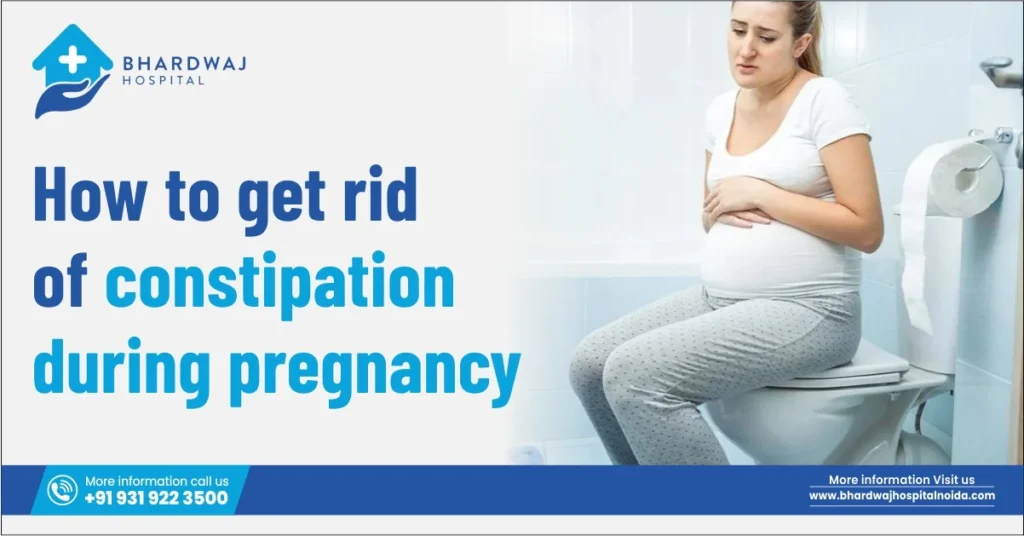
Normal constipation during pregnancy is not considered a complication, mainly because of the normal changes the body undergoes. Slow digestion, various foods, and supplements can cause a change in the frequency of visiting the toilet and the form of your faeces. Many women become concerned when they notice black stool in pregnancy, even though it is often linked to digestion and supplements. At Bhardwaj Hospital, pregnant mothers are given evidence-based guidance to encourage healthy bowel movements and to inform them about the timing of doctor visits.
Why Is Constipation Common During Pregnancy?
Body changes and pregnancy hormones have a direct impact on the gut when they increase and on the bowel habits, as constipation is a common occurrence.
- Experiencing Hormonal Changes That Slow Digestion
The hormones relax the body’s smooth muscles, such as the intestines, and this may slow down the movement of the poop. Therefore, more water is extracted from it, producing hard stools and decreased frequency.
- Facing Pressure From the Growing Uterus on the Intestines
An enlarged uterus rubs against the intestines, thereby decreasing the room to pass stool. This complicates bowel movements, and more so at the end of pregnancy, which increases the risk of constipation because of the space being disrupted.
- Dealing With Reduced Physical Activity During Pregnancy
Fatigue or discomfort will tend to weaken movement and activity. The decreasing motion implies that the gut is not prompted to a large extent, and it slows down the gut movement.
- Using Iron and Calcium Supplements During Pregnancy
Prenatal vitamins, and specifically iron, belong to the group of substances that can constipate. The sluggish digestion and the supplements are the joint reasons why the stool can become different or may occur less frequently.
Constipation Differences Across Pregnancy Trimesters
The level of constipation varies on a case-by-case basis as the hormone may fluctuate, the uterus increases in size, and the activity becomes more dynamic, all of which affect digestion and bowel movement.
- First Trimester
Abnormal hormonal developments occur prematurely. Before physical changes are observed, many women experience constipation.
- Second Trimester
Digestion decreases, and individuals consume more supplements. During the second trimester, some women may notice black stool during pregnancy in the second trimester, which is normally due to iron.
- Third Trimester
When the baby is almost ready, the uterus is the largest. Straining is more painful, and you can poop even less frequently.
How To Get Rid Of Constipation During Pregnancy?
In every trimester, the hormonal changes, alteration in uterine size, and fluctuation in the levels of activities impact the digestive system and bowel movements, hence causing constipation at different extremes.
- Managing Constipation Through Diet During Pregnancy
With the treatment of constipation in pregnancy, special attention is given to the mild approaches that do not harm a pregnancy, have a positive effect on its digestive system, and require minimal effort to be included in the everyday routine.
- Increasing Fiber Intake Safely During Pregnancy
By consuming a healthy, high-fiber diet, you can have regular, healthy bowel movements and help your intestines work properly without injury.
- Maintaining Adequate Daily Water Consumption
Drink enough water each day; that is because by drinking enough water, the poop is soft and easily passed.
- Modifying Meal Timing and Portion Sizes
Take smaller meals regularly. Take smaller portions of food more frequently to facilitate digestion in your gut and smooth bowel movement.
- Supporting Digestion Through Physical Activity
Regular physical activity supports healthy gut function. Whether it is light exercise like walking, it can also increase the activity of the bowel, and it assists digestion during the time of pregnancy.
- Practicing Safe Exercises to Improve Bowel Regularity
Prenatal yoga and stretching enhance whether or not the same improves circulation and digestive activity. Prenatal yoga and stretches will enhance blood flow and make you poop.
- Avoiding Straining During Bowel Movements
Avoid straining; never strain so much out of your capacity, as it is painful and may lead to difficulties which can disrupt the bowel movement.
- Using Natural Home Measures for Constipation Relief
Warm drinks, routine, and relaxation aid in digestion. Hot beverages, routine, and rest aid digestion. They also alleviate anxiety when you observe black poop during pregnancy.
Understanding Dark Stool During Pregnancy
Your change in the poop color can cause you to be alert, yet not necessarily so.
How Can Stool Color Change During Pregnancy?
The effects of food, vitamins, and gut speed on changing the colour of poop. What your gut digests, what vitamins to eat, and your digestion rate alter poop color. Black poop in pregnancy is perceived as a normal change by many women.
How to Visually Identify Normal Dark Stool?
Digestional or supplemental dark poop is firm, formed, and has no heavy odor or tar feel.
Difference Between Dark Stool and Tarry Black Stool
There is a difference between tarry black poop and iron poop. Tarry black feces are viscous, oily, and foul. It is not like the black poop that one acquires during pregnancy due to iron.
Warning Signs That Require Medical Attention
Expectant mothers must be aware of certain warning signs. When you experience pain, dizziness, or weakness, or when you still have the black potty in pregnancy, then visit the doctor.
Medical Support for Constipation During Pregnancy
Several supportive measures can be used for constipation during pregnancy:
- Using Pregnancy-Safe Stool Softeners
Safe stool softeners. The change in food may not be sufficient. The doctors might recommend safe stool softeners during pregnancy.
- Taking Medications Under Medical Supervision
Take medications solely in response to medical control. Never use any medication without consulting a doctor to ensure it is not harmful to the baby.
- Adjusting Supplements With Doctor Guidance
Adjust your dose of iron when necessary. In the event of iron deficiency or constipation, the doctor can increase or decrease it in your dose of iron.
Conclusion
Pregnant women tend to have constipation and changes in poop, which occur due to changes that normally take place in the body. Awareness of what is dangerous and what requires assistance may reduce stress. At Bhardwaj Hospital, where expectant moms receive personal care, their digestion stays safe, significant symptoms are identified, and they remain certain even during pregnancy when they observe black stool during pregnancy.














 Message us on Whatsapp
 Call us 93192 23500
 info@bhardwajhospitalnoida.com
 Locate us on Google Maps
 Book Appointment